Saturday, 19 March 2011 07:15

Skylights, Lightning Rods Can Help Protect Your Home

Written by 
Rate this item
(0 votes)

Skylights, Lightning Rods - Beauty and Protection for your home.

Shingles and tiles aren’t the only rooftop products that protect your home and make it more comfortable. Next time you maintain or replace your roof, consider adding skylights and lightning protection.

Skylights

If you love natural daylight, there’s no better way to get it than through a window in your roof.

Conventional skylights are as small as two feet by two feet and as large as eight feet by eight feet. You can put them in any room that connects to your roof, although kitchens are by far the most popular place for them.

A big skylight in your ceiling can have a dramatic effect on the room. If you choose clear glass, you can look out the skylight and see the clouds. If you prefer a softer, diffused light, go with white glass. You also can choose acrylic, although glass is more energy efficient.

And keep energy efficiency in mind when you choose your skylights. Where there’s light, there’s heat, so the larger the skylight, the more hot sunshine gets into your room. Beat the heat by investing in a manual or motorized shade or a heat blocker that you attach like a shower cap to the outside of the skylight during the summer.

You also can buy skylights with screens and hand-cranks or motors to open and close the window. Some models have sensors so they automatically close if it rains.

A basic skylight will cost between $1,000 and $3,000, and you can add options on from there.

If light is your goal and you’re not concerned about the view, you can save a pile of money by installing a tubular skylight instead of a conventional, window-type model. A tubular skylight looks much like a light fixture in the ceiling. It’s a self-contained modular unit with a clear acrylic dome on the roof. A polished, highly reflective tube ducts down through the attic and ends with a lens that you will see on your ceiling.

Tubular skylights are most popular in bathrooms and laundry roo ms. They’re more utilitarian than decorative, and they cost around $500 installed. A handy do-it-yourselfer could save on installation costs.

Lightning protection

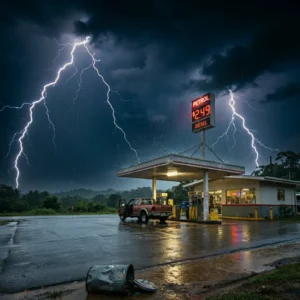
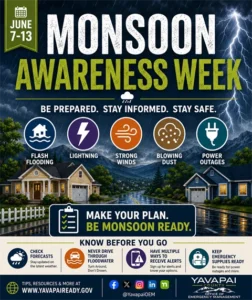
Arizona claims more lightning strikes than any state except Florida, and they’re concentrated mostly during monsoon season.

As we build more homes in the once-open desert, lighting is finding more homes to strike.

When it does, it’s looking for the path of least resistance to the ground. Your home is an easy path to the ground. Once lightning strikes your home, it’s likely to damage your electrical panel or other electrical equipment that’s grounded.

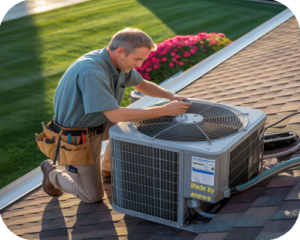
If it aims for your roof and you’ve got an air conditioning unit or evaporative cooler up there, that’s probably what it will hit.

The solution: Install lighting rods (called “air terminals” by the pros) on your roof—and on your rooftop equipment.

My friends in the lightning protection business recommend that homeowners install 12-inch lightning rods about every 20 feet on the roof, along with a whole-house surge protector. For a 2,400-square-foot home with a pitched roof, you’ll pay from $1,800 to $2,500 to have that package installed. Garages and homes with flat roofs cost extra, as do decorative rods like weather vanes.

Skylights and lightning protection are rooftop options that can make your home more beautiful and safer for your family.

Additional Info

Rosie Romero

For more do-it-yourself tips, go to rosieonthehouse.com . Rosie Romero is an Arizona contractor who has been in the Arizona home building and remodeling industry for 35 years. He has a radio program from 8-11 a.m. Saturdays on KQNA (1130 AM, 99.9 FM), KAZM (780 AM) and KAFF (930 AM).

Website: www.RosieontheHouse.com
blog comments powered by Disqus

If Andy Tobin Runs for Congress, who would you vote for in the primary?